Penicillin:
The Accident That Changed Medicine
Watch the Feature
The Genesis
“A dirty petri dish. A patch of mould. And an accident that would go on to save more lives than any invention in history.”
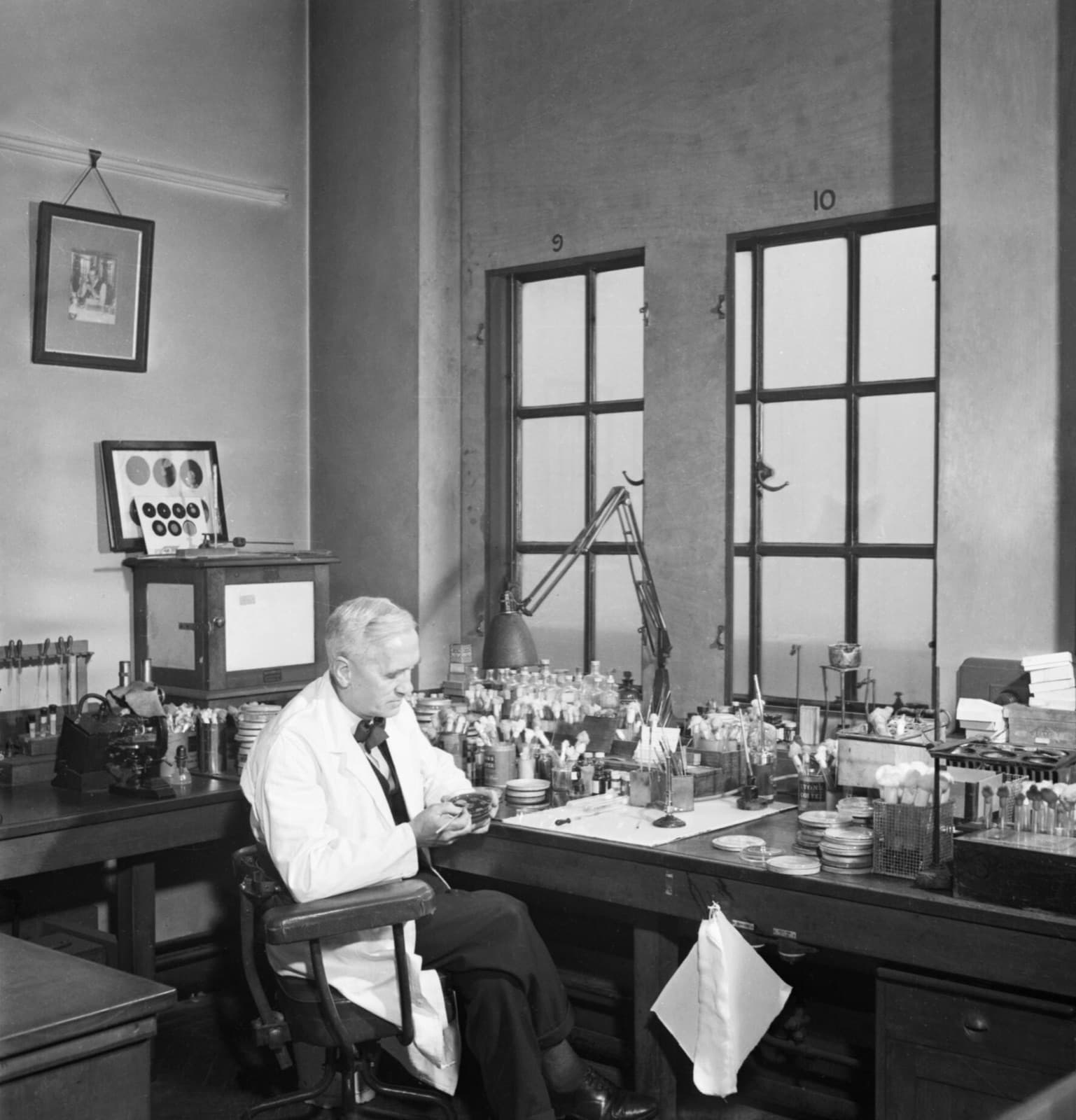
In September 1928, the Scottish bacteriologist Alexander Fleming returned from holiday to a cluttered London laboratory and a stack of forgotten culture dishes. One had been colonised by a stray blue-green mould — and in a clear ring around it, the staphylococcus bacteria had simply vanished. Where others would have washed the dish out, Fleming paused. That contaminated plate held the first clue to penicillin, the substance the mould was quietly producing.
But Fleming could not purify it, and his 1929 paper was largely ignored for more than a decade. It took a second act — Howard Florey, Ernst Chain, and the quietly brilliant Norman Heatley at Oxford — to turn a laboratory curiosity into a medicine, and American scientists and manufacturers to make it by the ton. Within a few years, penicillin was saving wounded soldiers in the Second World War, opening the age of antibiotics and rewriting what medicine could promise.
Historical Milestones
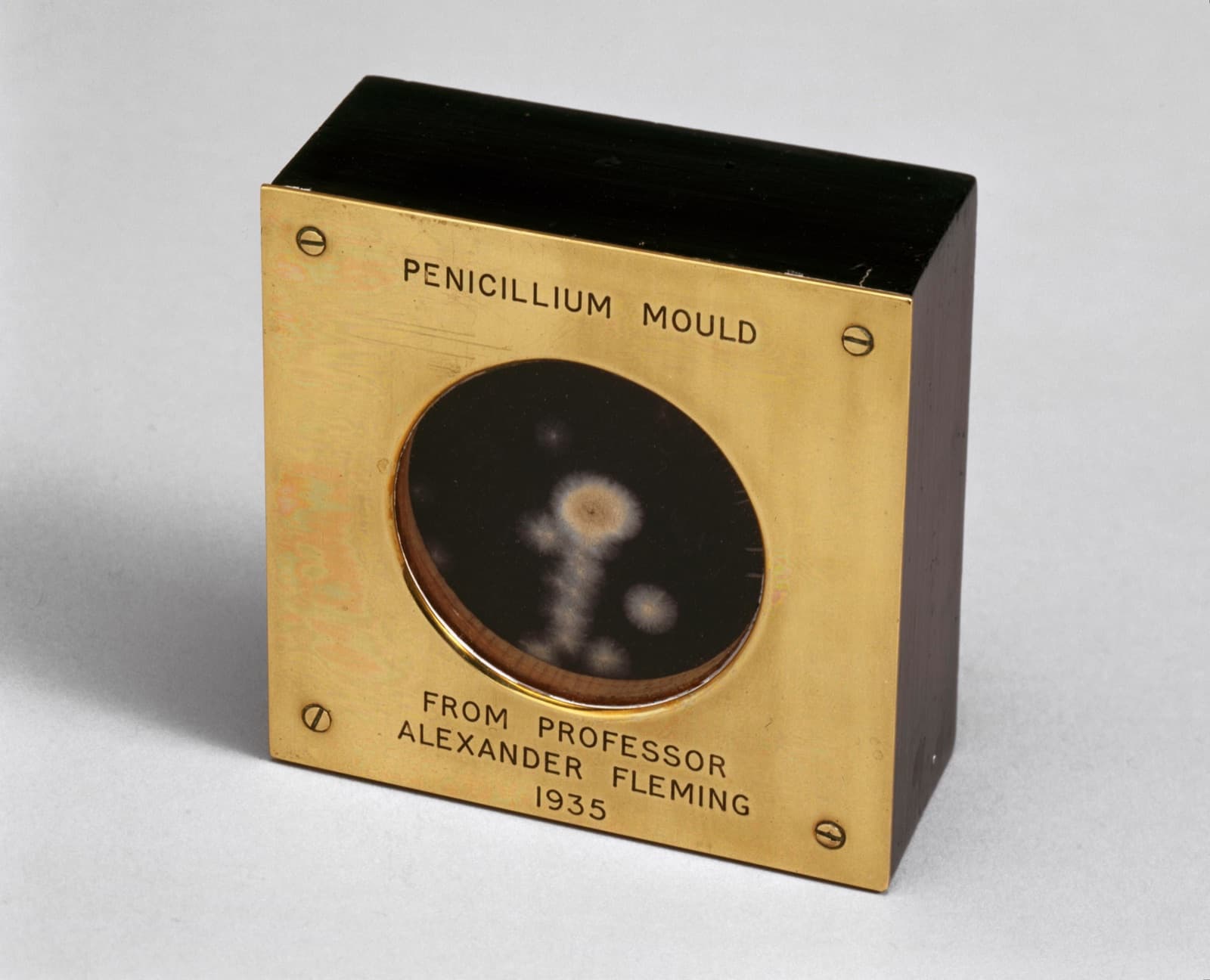
The Contaminated Dish
A patch of Penicillium notatum drifted onto a discarded culture plate and killed the bacteria around it. Fleming noticed what almost anyone else would have thrown away — the accident at the heart of modern medicine.
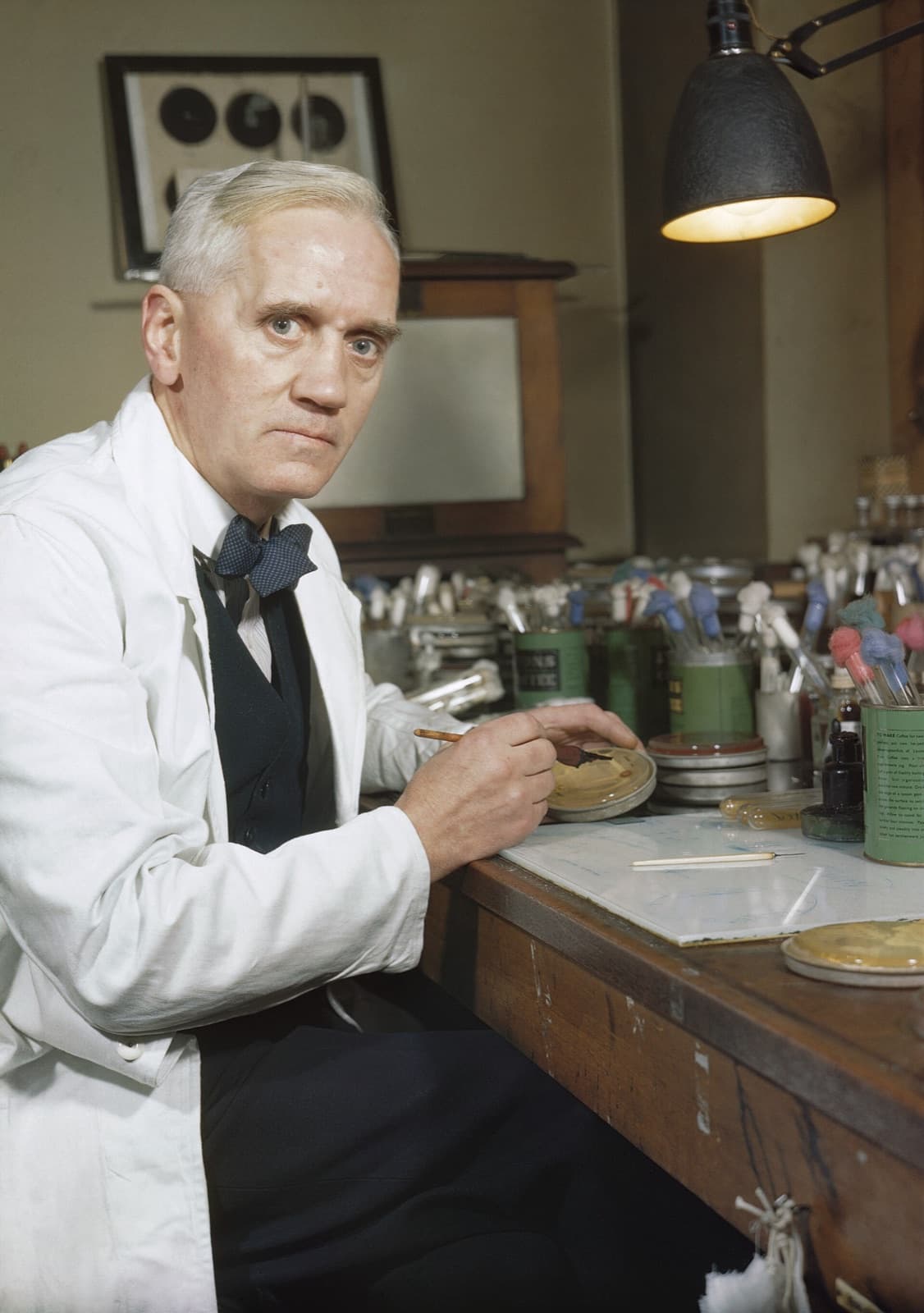
The Discovery No One Wanted
Fleming published his findings, but without a way to purify the fragile compound, penicillin was dismissed as a curiosity. For more than ten years, the most important antibacterial agent ever found sat unused in the scientific literature.
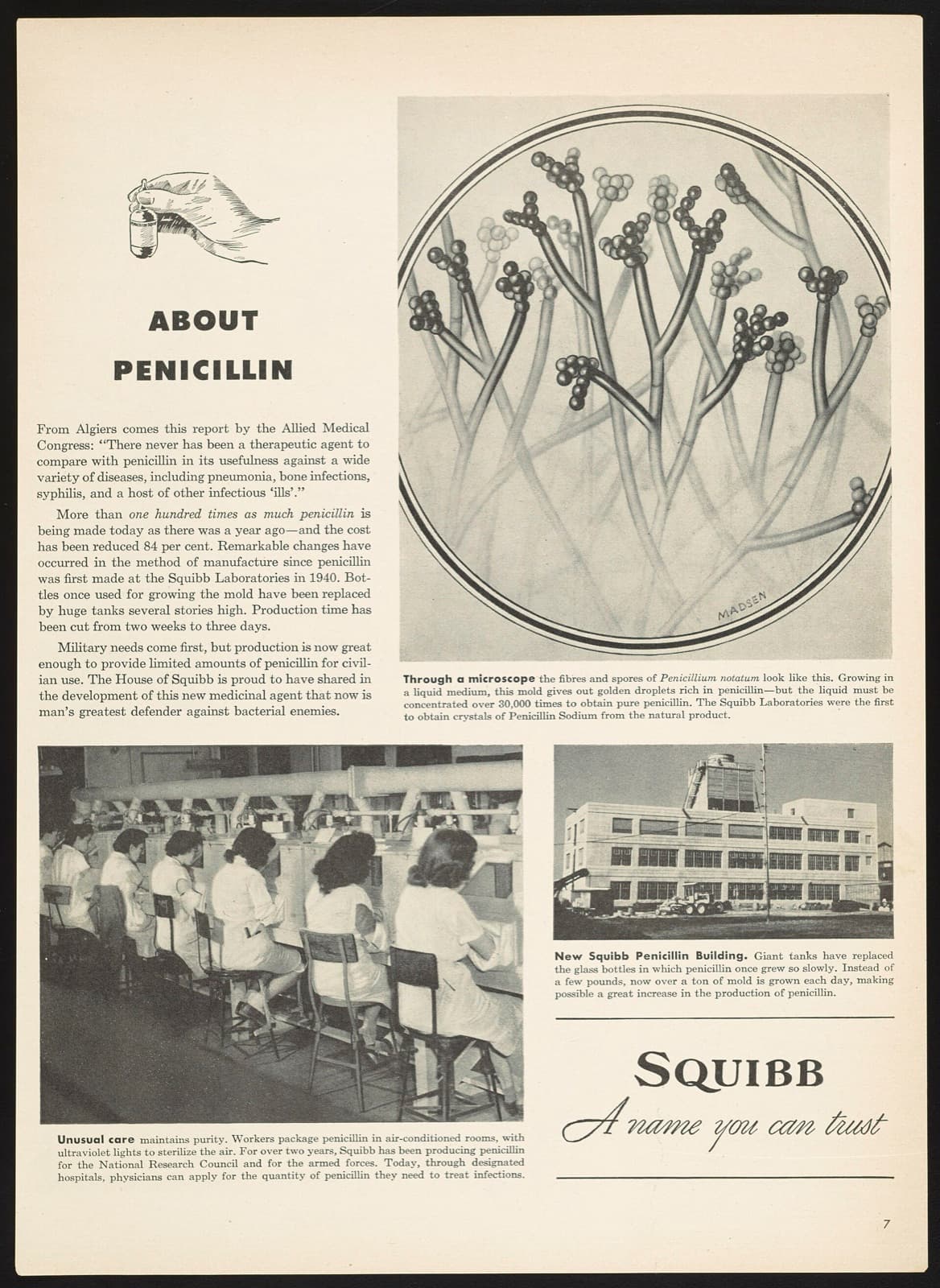
The War Machine
Oxford proved it could cure, and American industry proved it could scale. Glass flasks gave way to deep-tank fermentation, production times collapsed from weeks to days, and penicillin reached the front lines in time for D-Day.
The Pioneers
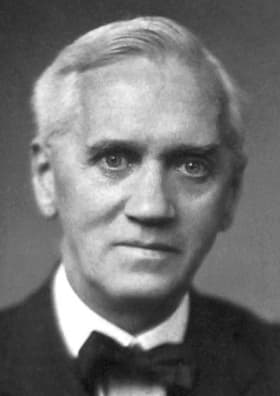
Alexander Fleming
The Accidental Discoverer
The bacteriologist whose sharp eye turned a contaminated dish into a discovery. He named penicillin but could never make it in a usable form — a problem that would wait a decade for its answer.
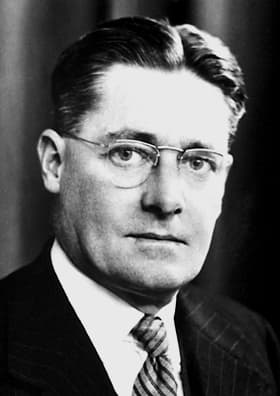
Howard Florey
The Man Who Made It Real
The Oxford pathologist who led the team that rescued penicillin from obscurity, proved it could cure in patients, and drove the effort to produce it at scale.
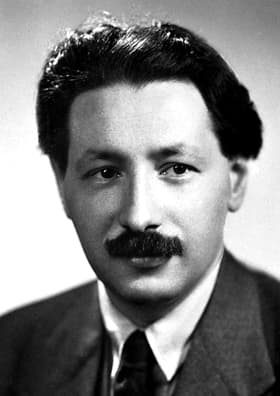
Ernst Chain
The Chemist
The biochemist who cracked the problem of isolating and stabilising penicillin. He shared the 1945 Nobel Prize in Medicine with Fleming and Florey for the breakthrough.